

#Entrepreneurship Guide, #Company Account Opening
What is an e-cheque?
An electronic cheque (e-cheque) is the digital version of a cheque. It was implemented in the Hong Kong banking system by the Hong Kong Monetary Authority as early as December 2015. The entire process—from issuance, signing, and delivery to the payee, to the deposit service—is conducted online. Note: e-cheques have the same legal status as paper cheques. Currently, e-cheques can be issued in HKD, USD, and RMB.
Further Reading: Corporate Bank Account Opening Process
Uses of e-cheques
Fundamentally, e-cheques are used for making payments just like paper cheques—for example, replacing physical cheques for paying for goods, service fees, and consumption. However, this depends on whether the merchant accepts e-cheques.
Furthermore, you can use e-cheques to pay fees to government departments through the GovHK website, including:
- Environmental Protection Department
- Food and Environmental Hygiene Department
- Inland Revenue Department
- Lands Department
- Rating and Valuation Department
- Inland Revenue Department
- Working Family and Student Financial Assistance Agency
Source: GovHK – Electronic Payment
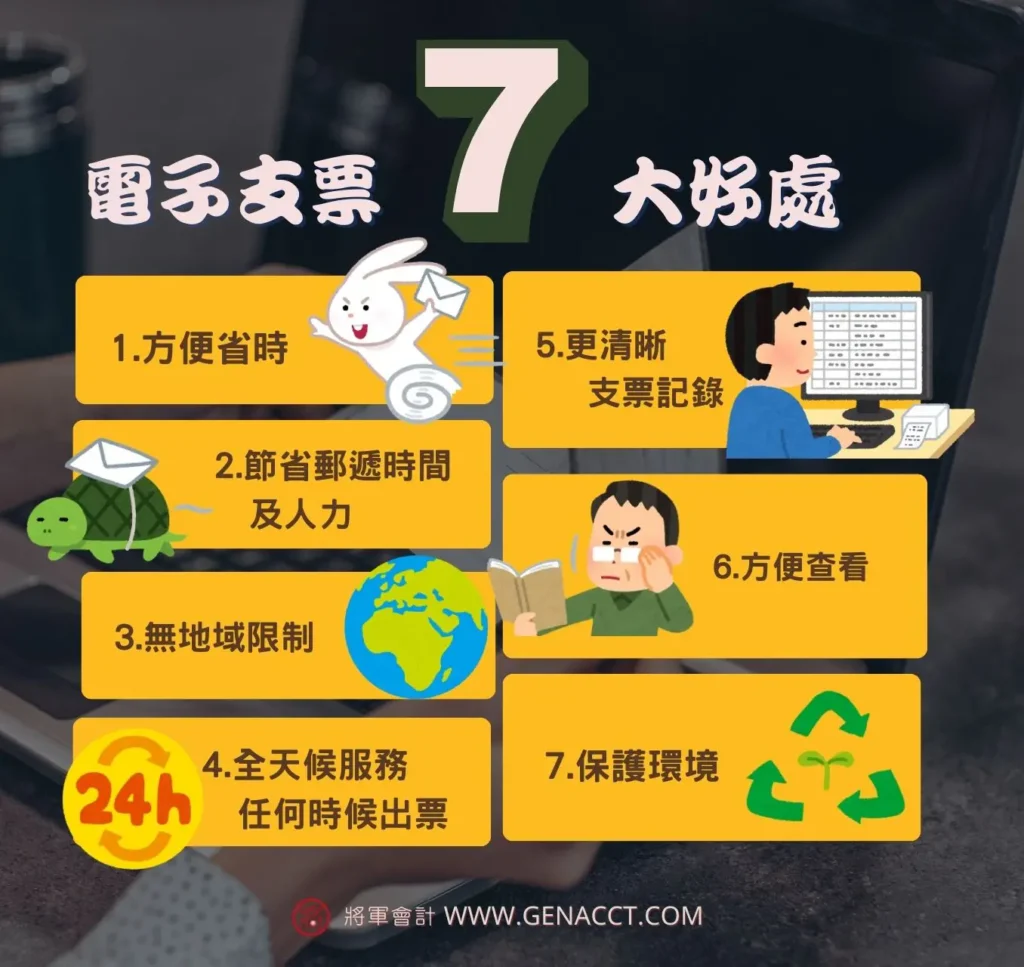
Make the most of e-cheques! 7 Key Benefits of Electronic Cheques
- Convenient and time-saving: Simply log in to online banking to issue e-cheques from different banks without carrying multiple physical chequebooks.
- Save mailing time and manpower: Deliver to payees via email, saving manpower or postage resources.
- No geographical restrictions: Issue or deposit e-cheques anytime from anywhere.
- 24/7 service: Issue or deposit e-cheques at any time, 24 hours a day.
- Clear records: Simply log in to online banking to review issued cheque records.
- Easy inquiry: Online banking generally allows you to check the status of e-cheques within the last 12 months, such as issued, cashed, cancelled, or expired.
- Environmental protection: Reduce paper usage.
How to use e-cheques? e-cheque Issuance Process
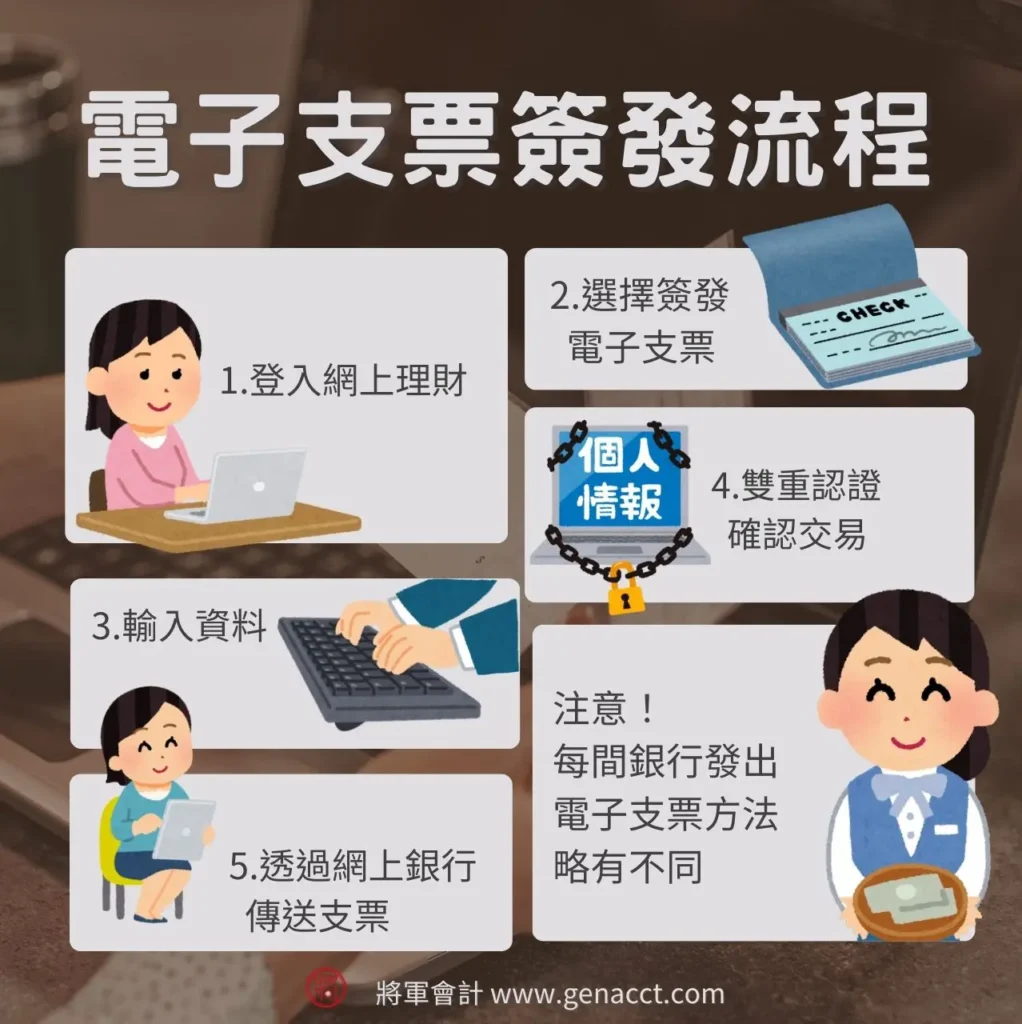
Currently, five banks in Hong Kong (including HSBC and Bank of China) can issue e-cheques. The process is as follows:
1. Log in to online banking
2. Select issue e-cheque
3. Enter e-cheque details, such as payee name, date, and amount, etc.
4. Use two-factor authentication to confirm the e-cheque issuance transaction
5. Send the cheque to the payee via online banking
*The method for issuing e-cheques varies slightly by bank; please refer to the bank’s actual guidelines for details.
How to deposit an e-cheque?
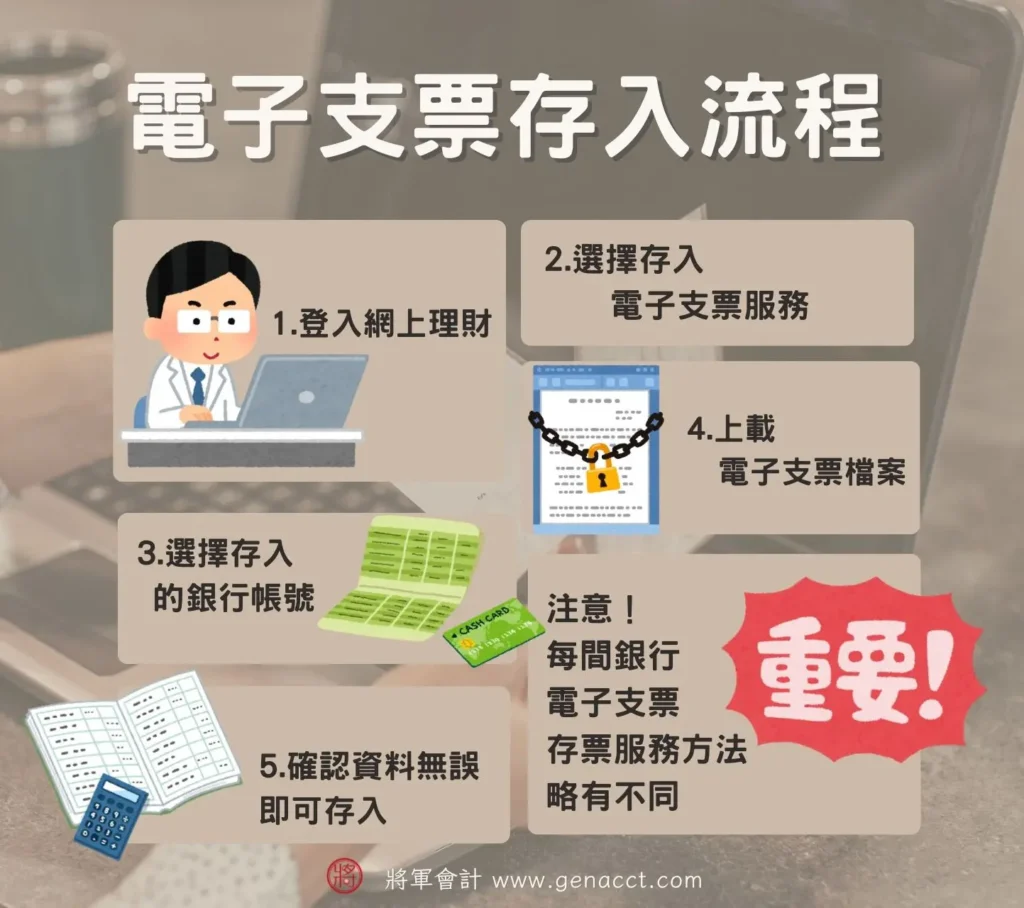
After receiving an e-cheque, the payee can deposit it through online banking. The process is as follows:
1. Log in to online banking
2. Select e-cheque deposit service
3. Select the bank account for the e-cheque deposit
4. Upload the e-cheque file
5. Confirm the details are correct to complete the deposit
*The e-cheque deposit service varies slightly by bank; please refer to the bank’s actual guidelines for details.
Can a corporate account issue e-cheques?
Yes, authorized persons for a corporate account can issue e-cheques directly through online banking. Alternatively, based on online banking permissions, a user with lower authority (non-signer) can fill in the cheque details first, which are then approved by an authorized user who can sign e-cheques. This saves time for senior personnel, as they only need to approve rather than spend time entering data.
Further Reading: Process for Opening a Limited Company in Hong Kong | Hong Kong Company Registration Services
Why are e-cheques not yet fully popularized?
Although e-cheques have been implemented for about nine years, they have not 100% replaced paper cheques. The main reasons are:
1. The public lacks a strong incentive to change their usage habits.
2. SMEs need to change their cheque issuance processes.
3. Certain companies involve compliance procedures and need to review and change payment methods to align with online authorization processes for electronic banking.
The Hong Kong Association of Banks has established a task force to review the usage of cheques and electronic payments and has hired an independent third-party consultant to gain an in-depth understanding of the difficulties and needs of enterprises, hoping to make e-cheques more widespread.
Guidelines and Precautions for Using e-cheques
Do Not Print
Scanning Paper Cheques
Do Not Enter Personal Information
Note the Settlement Time
After depositing an e-cheque, you must still wait for bank settlement for it to be finalized. Therefore, depositing an e-cheque does not mean the funds are 100% received; there is still a possibility of the cheque bouncing.
Pay Attention to Network Security
Avoid issuing or depositing e-cheques via online banking in public places or using public Wi-Fi.
Frequently Asked Questions
Conclusion
An electronic cheque (e-cheque) is the digital version of a cheque. Launched in Hong Kong in 2015, it has the same legal validity as a physical cheque and can be used for transactions in HKD, USD, and RMB. e-cheques can be issued and deposited through online banking, making the entire process electronic, convenient, time-saving, and free from geographical restrictions, with environmental benefits. Common procedures include logging in to online banking, entering relevant information, and confirming the transaction. When using them, note that they cannot be printed for use as paper cheques, and you should be mindful of settlement times and network security. e-cheques are valid for six months, and both issuance and deposit are free of handling fees.
Further Reading:
General Accounting provides free consultation.


